What helps gamers start a game and talk on Discord, and what gets in their way?
The team's target players already spent hours on Discord every week. Seeing what worked for them there, and which needs went unmet, would show the team what players valued most.
- Question 1 · Playing togetherWhat helps and hinders players in finding people and starting a game session?
- Question 2 · Talking about gamesWhat helps and hinders players in joining conversations about games?
In-depth interviews, with players showing their own Discord servers
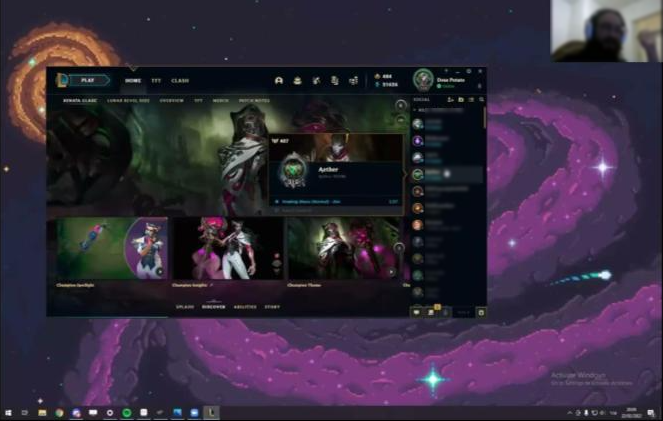
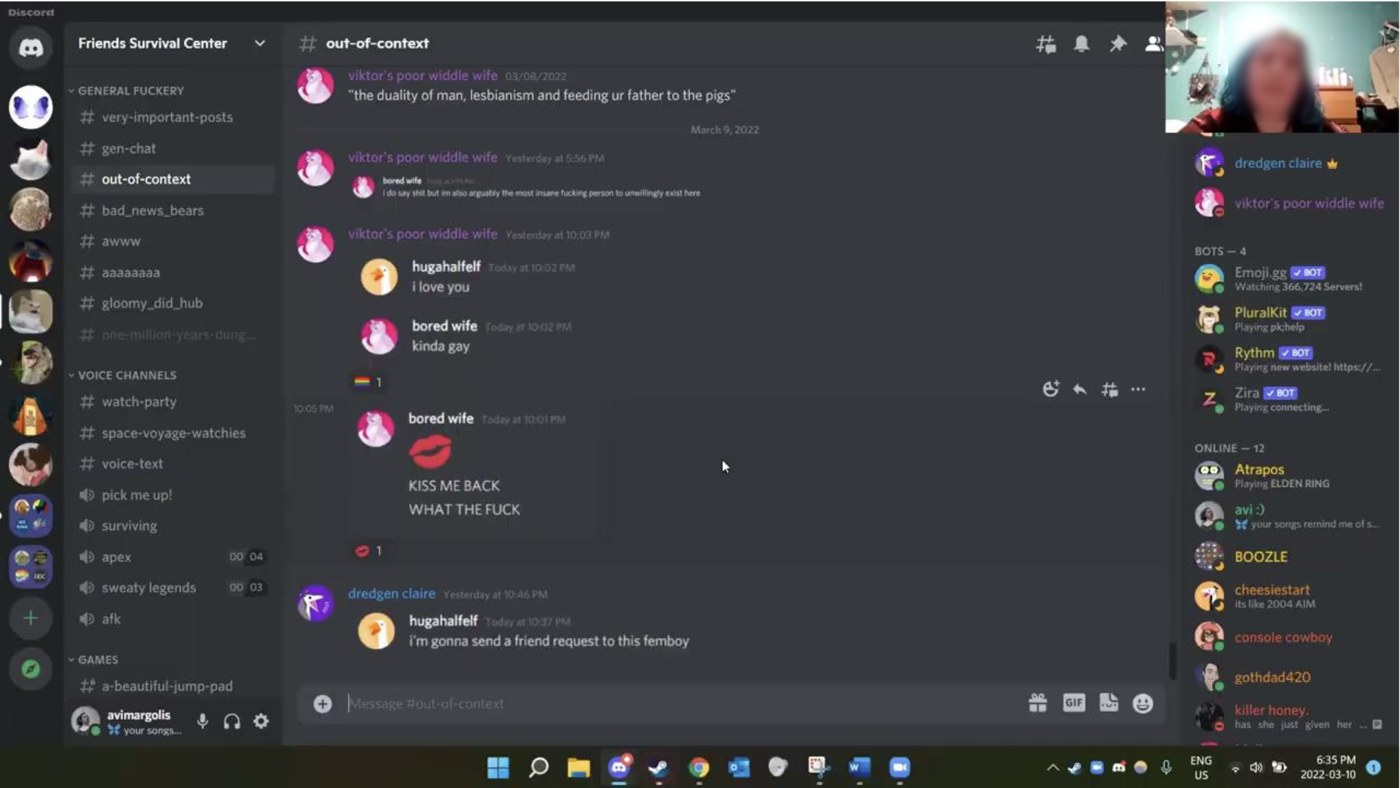
How people use a social platform is easy to describe vaguely and hard to recall in detail, so I asked participants to walk me through their own servers, groups and channels. A team member observed each session.
I recruited experienced players from past survey respondents who had agreed to be contacted, and through Reddit.
Who took partExperienced multiplayer gamers who play mainly on PC and use Discord every week.
Finding new players, safely, was the unmet need
No good way to find new players
Looking outside their circles on Discord was slow and rarely led to a good match, so players turned to other platforms for random players. They wanted context before playing with someone: how long they had played, their goals, other games.
Safety decided who players talked to
Those who avoided it were younger players. One woman had never used voice with strangers, for fear of toxicity. Older male participants were comfortable, and being able to mute or block made them feel safe.
Discord was for people, not content
Public servers were hard to navigate and rarely used. For game content and wider conversation, players went to Reddit; Discord was for people they knew.
Where players spent their time
Inside their circles, Discord worked well: voice channels and status showed who was free to play, and joining took a click. Players kept most of their activity there. The outer circles are where the gaps showed.
Players' circles on Discord
Select a circle to see how players used it.
Support friend groups well, and help players find new people safely
Players were satisfied inside their circles, so the basics there had to be solid. The bigger unmet need was outside those circles, where finding compatible, safe players was hard.
- Reliable voice, status and screen sharing
- Subgroups and private channels for larger groups
- Control over how much each circle sees of what you share
- Ways to find players beyond your circles, with context about them
- Control over who outside your circles can reach you
- Mute, block and report, and ways to find safe groups
A clearer picture of players, and a new research priority
The study gave the team a shared understanding of how gamers connect within their circles, so it could design for those groups. It also put toxicity and moderation on the team's agenda.
Design for circles
A clear view of how players form groups and play together, and what they valued most.
Toxicity on the agenda
Safety concerns raised here became new research requests, starting with my moderation study.
Value of discovery research
The study changed how the team saw research, and the value of generative work.
The circles also became the frame for that next study, which asked how much moderation players expect in each one: Defining moderation strategy for a new social gaming network.