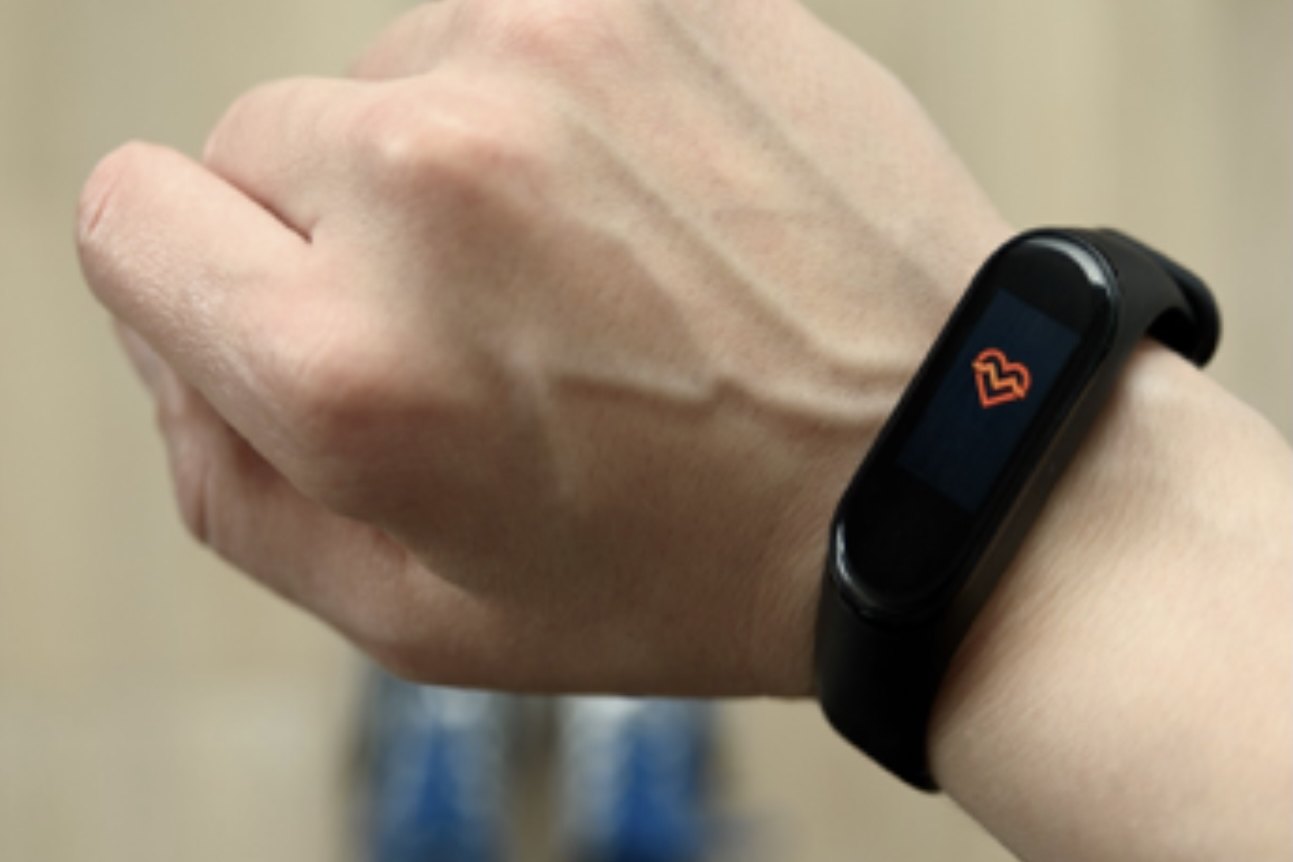
How do the app and wristband fit into the lives of people living with chronic pain?
The app asked a lot of patients: wear the wristband every night, answer questionnaires and check in daily for four weeks, then receive an assessment report. The team needed to know how well the app worked in daily life, where people lost motivation, and what would keep them going.
- Wristband at night
- Social and psychological questionnaires
- Daily check-ins
Results at the end of the program
The program behind the wristband
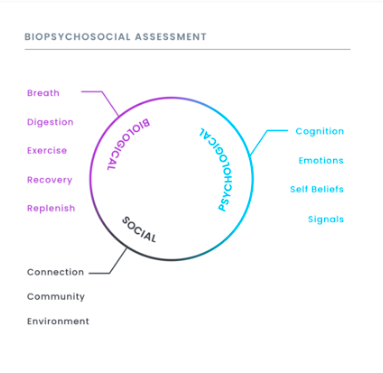
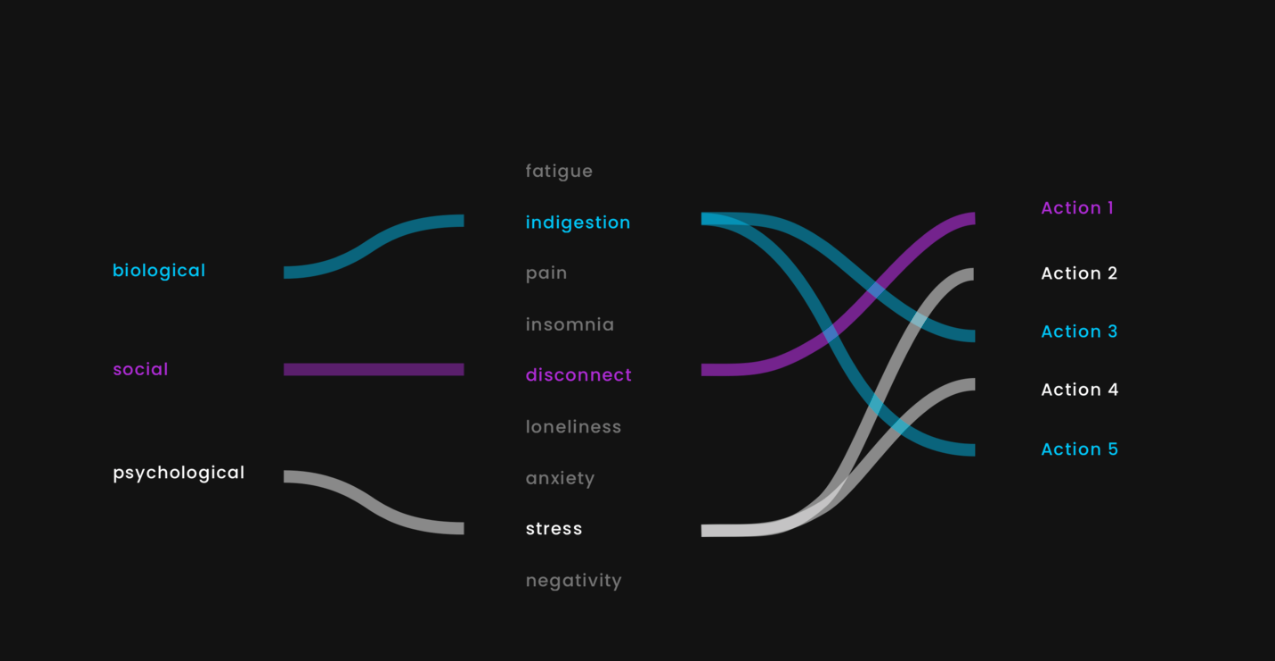
A biopsychosocial assessment linked biological, psychological and social factors to symptoms, and symptoms to personalised actions.
- Question 1 · EvaluationHow well do the app and wristband work in real, daily use, and where do they get in the way?
- Question 2 · The journeyWhere in the experience, from the wristband at night to the final report, do people lose motivation?
- Question 3 · What's neededWhat does the app need to offer patients and practitioners to keep them engaged for weeks?
A four-week study that followed people through the whole program
One interview couldn't capture a month of living with a device, so I interviewed each person several times across the program, along with a weekly audio diary of their positive and negative experiences with the app and wristband. This showed how motivation, pain and challenges changed as people progressed. I also interviewed practitioners about their needs, and what they wanted from the app.
I cross-checked interviews and diaries against usage data from the operations and data teams, so the journey reflected what people did, not only what they remembered.
People living with pain and anxiety have limited energy, and good and bad days. I shaped the study around that.
A short weekly audio diary let people share a moment, even on a bad day.
Interviews were scheduled around people's energy and symptoms.
We recruited through their practitioners, people they already trusted.
Some also living with depression or anxiety, using the product in their own homes.
Each person took part from the first night to the final report.
People who treat these conditions, who tested the program with their patients and helped us reach them.
What kept people going, and what got in the way
Real use in the alpha showed where the experience could better support people through four weeks of daily effort.
Try it: walk through the experience
Select each step to see what got in the way, and what changed.
Design for engagement after the novelty wears off
What keeps people going for weeks is seeing a return on their daily effort, in a routine that fits lives already shaped by pain and anxiety.
- People saw little visual feedback during the program
- The program felt too long
- The value of taking part wasn't clear to everyone
- A progress diagram and a daily score
- A shorter assessment period, and flexible reminders
- Clear content on what the program offers, and why it matters
Changes across product, health, data and marketing
The founders' focus was the science: the psychological assessment and the sleep data. I brought patients' experience into those decisions, showing that the product only worked if people kept using it, day after day, long after the novelty wore off. Along the way, user experience became part of how the team made decisions.
Each insight went to the team that could act on it, and together the changes helped reduce drop-off.
Empathy map: patients
Who joined the alpha, what they hoped for, and how they found the program.
Very little. Most were curious, or referred by a practitioner, hoping it would give them “something” to improve their situation.
Vague expectations could turn into disappointment if the program didn’t help, and for paying users, damage trust in the program.
User journey: the overall experience
Where the experience helped, where it got in the way, and what I recommended.
- No feedback
- No education
- People liked warm language, such as “We love you”
- Little attachment or engagement
- Overusing warm language may sound insincere
- Give feedback and interaction, and explain why each step matters and how it leads to results
- Easy to use
- Understandable without the practitioner’s help
- See results often, and compare them over time
- Know when they’re pushing too hard or not enough
- Learn how to get the most benefit, and about their body
- Limited information about the program and the outcome
- “I don’t have a clear understanding of what it is supposed to help me with, I feel a bit in the dark with this.”
- Hard to build a trusting relationship with the program
- A clear message, concrete examples of outcomes, and a sample report up front
- Self-disclosure and the fear of being judged
- Ambiguity about the program, its benefits and results
- Answers that are socially acceptable, not people’s real mood
- Reassure people that no one else sees their data, and that it’s processed anonymously
- Different words with similar meanings, like fatigue and tired
- Not enough context, double negatives and unfamiliar words
- Confusion and annoyance
- “If I say to you, how untroubled are you? You just asked me, are you troubled?”