Simon Fraser University · Discovery, design and field testing

Designing for three generations: engaging young children while meeting parents’ and grandparents’ needs across distance

Families wanted young children and grandparents far away to stay close, but video calls weren't working: children lost interest within minutes, and parents had to run every call. I looked at how families kept in touch, what they needed and where it broke down, then designed G2G, a shared family calendar of stickers and short videos, iterated on it, and tested it in families' homes for eight weeks.

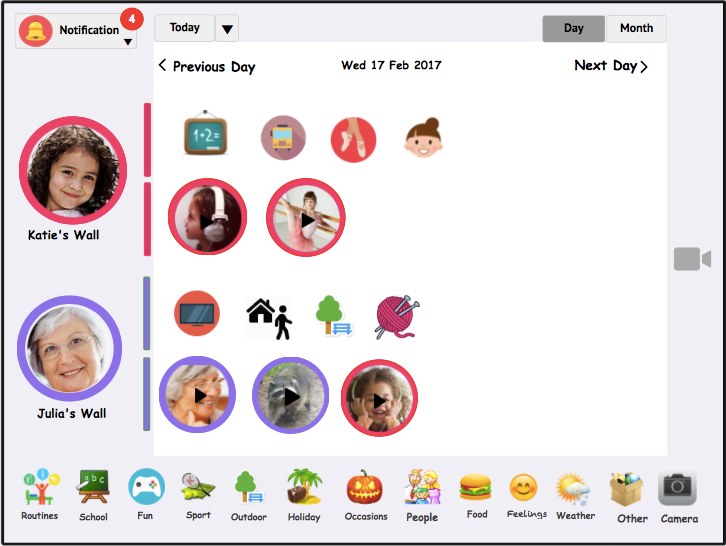
The G2G app on an iPad: a child's wall and a grandmother's wall, with the stickers and videos they shared that day
The problemDistance was straining the bond across three generations

Children lost interest in calls within minutes, grandparents didn't know what to say, and parents had to set up and hold every call.

What I didDiscovery → prototype → 8-week field test

with grandparents, parents and children.

The impactA working app families used every day

plus peer-reviewed papers and a book chapter.

Why it still matters

In 2013, family video calls were mostly talking heads. Research like this contributed to the apps families now use to share everyday moments across distance.

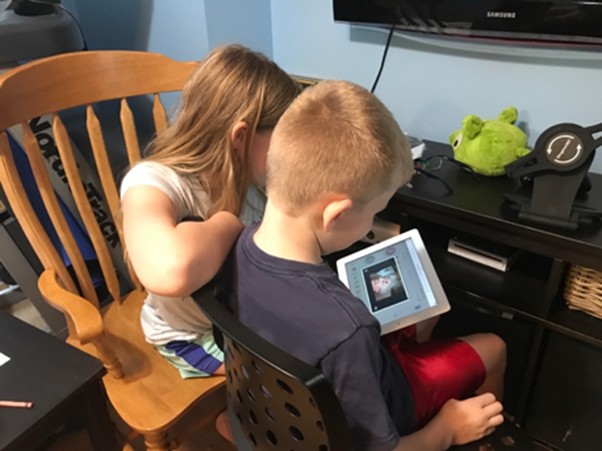
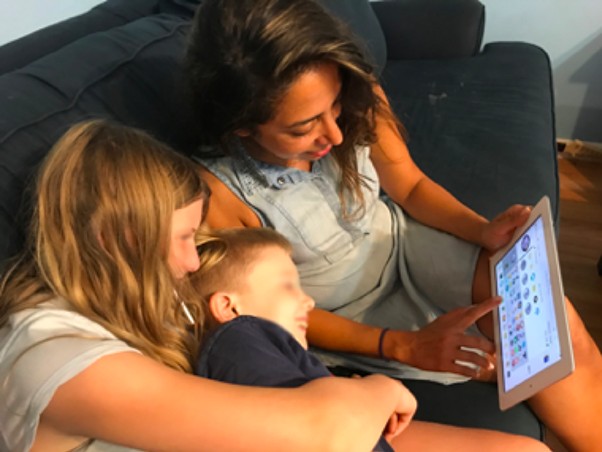
Azadeh showing two children how to use G2G on an iPad, on their sofa
Showing children how to use G2G at the start of the field study.
  1. 01The challenge
  2. 02The phases
  3. 03What it meant
01 · The challenge

How do you build a bond in a few interrupted minutes?

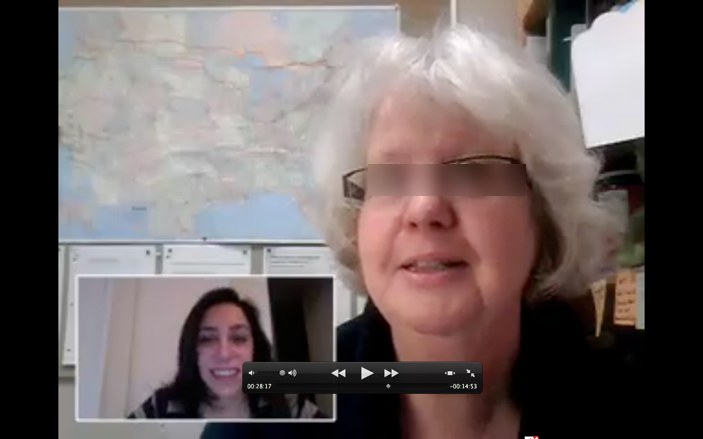
A grandmother calls from abroad. Her six-year-old waves, holds up a toy, and a few minutes later he's gone. His mother takes over the call.

Children

Attention lasts a few minutes

Grandparents

Want a bond, but need help with the tech

Parents

Have to set up and hold every call

What could fit all three, and still bring children and grandparents closer?

02 · The phases

From discovery to a tested product, in three phases

Each phase ended in a product decision that shaped the next. Select a phase to see the work behind it.

03 · What it meant

Design for everyday sharing, not just calls

What it meant for family communication tools

Principles for family communication tools

Children and grandparents grew closer through small, regular updates they could make on their own. Tools for them need structure that fits family life, ways for children to take part without help, and room for each relationship.

Routine and independence
  • A shared rhythm, flexible enough for each family's routines
  • Ways to post that need no typing and no parent's help
  • Quick stickers and longer videos, side by side
Bonds and confidence
  • One-to-one messages alongside the shared family space
  • Light ways to react, so no post goes unanswered
  • Respect for children's privacy, to protect trust

These principles apply well beyond grandparents and grandchildren, to any tool that helps people stay close across distance, from family apps to video calling.

Get in touch