Eight weeks, in families' everyday lives
Each family had a dedicated iPad. I visited the children's homes to set it up, then interviewed every child, parent and grandparent every two weeks, alongside weekly check-ins, diaries, usage logs and the stickers and videos they shared. Families checked G2G a couple of times a day; posting slowed in the second month but didn't stop, and some children kept using it after the study ended, without being asked.
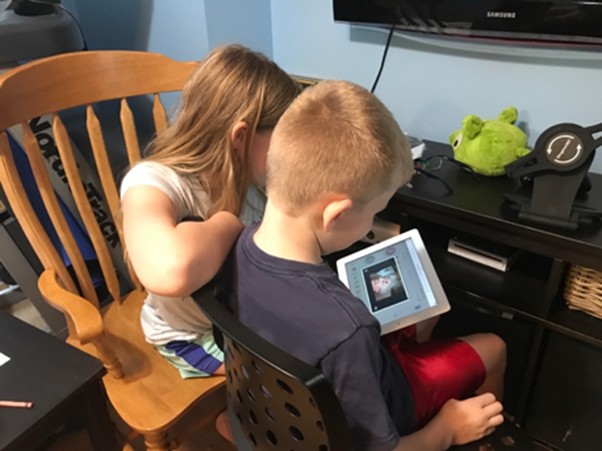
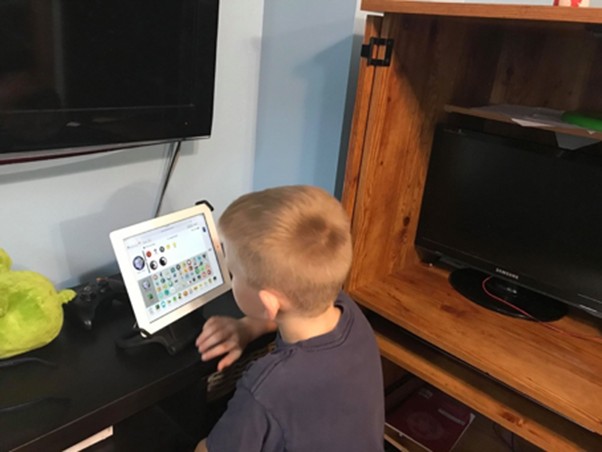
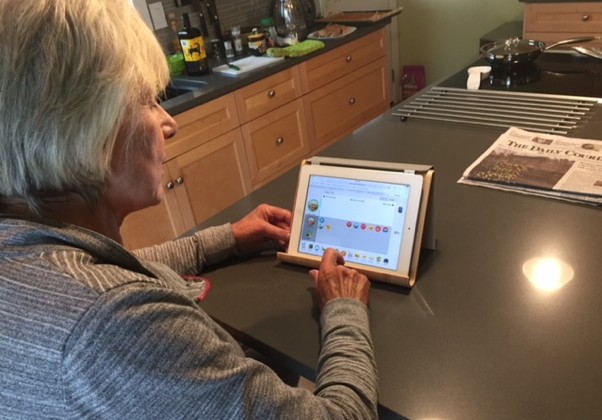
A shared routine did what scheduled calls couldn't
A calendar gave contact a rhythm
Instead of waiting for the next call, children and grandparents posted about their day as it happened. Families made it their own: one boy invented daily games with his grandfather, with a daily question, a daily item and a daily emotion.
Children reached out on their own
Stickers let children share their day without a parent's help, even the youngest, at five. Parents could step back, and grandparents felt less like a burden, because the children were the ones reaching out.
Everyday details made visits easier
Grandparents learned about routines they hadn't known, and children learned about their grandparents' lives. One family, whose visits used to feel awkward, found the visit midway through the study noticeably more relaxed.
Grandparents worried their days were boring
They hesitated to share their slower-paced routines until children's responses reassured them. Without a reply, they assumed no one was interested, and recording a whole video just to say "I saw it" was too much.
Families wanted to talk to one person, too
Most were happy for the whole family to see their posts, but also wanted a way to talk to one person. One grandmother felt left out when the app seemed to be "all about" her grandson and his grandfather, and began posting more.
Design for everyday sharing, not just calls
Principles for family communication tools
Children and grandparents grew closer through small, regular updates they could make on their own. Tools for them need structure that fits family life, ways for children to take part without help, and room for each relationship.
- A shared rhythm, flexible enough for each family's routines
- Ways to post that need no typing and no parent's help
- Quick stickers and longer videos, side by side
- One-to-one messages alongside the shared family space
- Light ways to react, so no post goes unanswered
- Respect for children's privacy, to protect trust